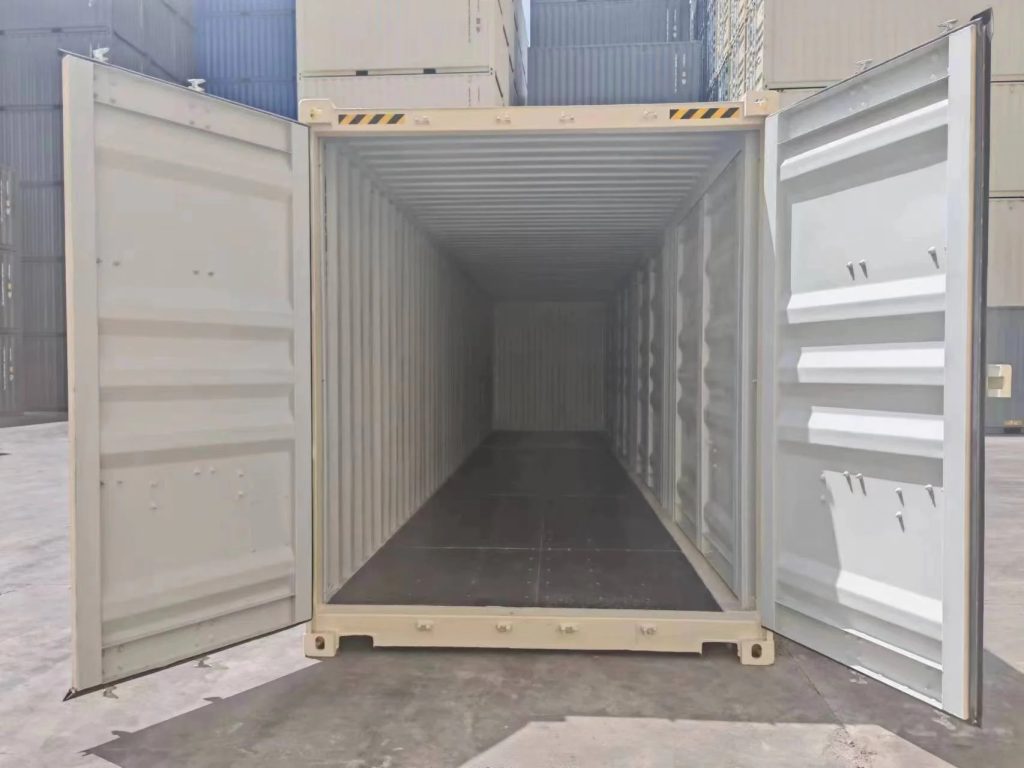
What NOT To Do With The 20 Ft Box Container Industry
Understanding the 20 Ft Box Container: A Comprehensive Guide
The shipping container has become associated with global trade, logistics, and freight transportation. Among the different sizes offered in this flexible mode of transportation, the 20 ft box container, often referred to as a TEU (Twenty-foot Equivalent Unit), sticks out as one of the most popular options. This blog post will delve deep into the specs, utilizes, and benefits of the 20 ft box container, supplying readers with a comprehensive understanding of its significance in today's industrial landscape.
What is a 20 Ft Box Container?
A 20 ft box container is a rectangular steel container with a capacity specifically developed to help with the transportation of items by sea, land, or rail. It has ended up being a standard step in the shipping market, offering a trusted technique for both domestic and global shipping.
Dimensions and Specifications
Here's an in-depth table of the requirements and dimensions of a basic 20 ft box container:
Dimension
Measurement
External Length
20 ft (6.058 m)
External Width
8 ft (2.438 m)
External Height
8.5 ft (2.591 m)
Internal Length
19.4 ft (5.898 m)
Internal Width
7.7 ft (2.352 m)
Internal Height
7.9 ft (2.393 m)
Maximum Gross Weight
24,000 kg (52,910 lbs)
Tare Weight
2,300 kg (5,071 pounds)
Payload
21,700 kg (47,852 pounds)
Types of 20 Ft Box Containers
While the standard 20 ft box container is widely utilized, different types deal with specific cargo requirements:
- Standard Dry Container: The most common type, used for general cargo.
- Reefer Container: Refrigerated containers for perishable items.
- Open Top Container: Designed for large cargo, available from the top.
- Flat Rack Container: Used for heavy devices or machinery that requires to be loaded from the sides or top.
- High-Cube Container: Offers extra height for more cargo volume.
Why Use a 20 Ft Box Container?
The 20 ft box container provides a number of benefits that make it a preferred option among carriers, producers, and retailers alike. Here are some advantages:
1. Flexibility
- Can carry a diverse series of items from electronics to fabrics.
- Ideal for various transportation approaches consisting of shipping, trucking, and rail.
2. Cost-Effectiveness
- Compared to bigger containers, smaller sized containers typically reduce shipping costs.
- Ideal for little to medium-sized shipments, making it a cost-effective option for businesses.
3. Security
- Made from resilient steel, box containers provide excellent protection versus weather condition, theft, and damage.
- Locking systems make sure that cargo remains safe during transit.
4. Standardization
- Easily suits most shipping and logistics systems due to standardized dimensions.
- Streamlines filling, stacking, and transferring in ports and terminals.
5. Ecologically Friendly
- Reusable and recyclable, these containers add to sustainable shipping practices.
Typical Applications of 20 Ft Box Containers
The 20 ft box container serves various functions in different industries. Here are a few of its typical applications:
- Exports and Imports: Essential for transferring items across international borders.
- Storage Solutions: Used for temporary or long-term storage of items.
- Mobile Offices: Converted into workplace spaces on construction sites or occasions.
- Short-lived Pop-up Shops: Emerging trend of utilizing containers for retail experiences.
Often Asked Questions
1. Just how much can a 20 ft box container hold?
A basic 20 ft box container can hold up to 21,700 kg (47,852 pounds) of cargo, translating to approximately 1,172 cubic feet of volume.
2. What is Size Of A 20ft Container between a 20 ft container and a 40 ft container?
The main distinction depends on their size and capacity. A 40 ft container is double the length of a 20 ft container, enabling it to hold more cargo— approximately 27,000 kg (59,525 pounds).
3. Just how much does a 20 ft box container expense?
The expense of a 20 ft container differs based upon factors such as condition (new or used), place, and market demand. Costs can vary from ₤ 2,000 to ₤ 5,000, depending on these factors.
4. Can I customize a 20 ft box container?
Yes, 20 ft containers can be customized for numerous uses, including transforming them into homes, workplaces, shops, and storage systems.
5. What are the shipping options for a 20 ft box container?
Numerous shipping choices are offered, consisting of FCL (Full Container Load), LCL (Less than Container Load), rail transportation, and trucking.
The 20 ft box container plays a critical function in international trade and logistics, offering a practical, protected, and cost-efficient service for a variety of products. Its adaptable nature permits it to serve numerous applications throughout various markets, making it a staple in the world of shipping containers. As companies continue to look for effective ways to move items, understanding the specs, advantages, and usages of the 20 ft box container will stay significantly relevant in an ever-evolving business landscape.
Purchasing quality shipping containers can guarantee the security and performance of your cargo transport requirements, and the 20 ft box container stands strong as a trusted alternative.